
Medical device development is rarely held back for lack of need or innovation. More often, delays happen because devices lack adequate components. From regulatory setbacks and late-stage revalidation, to supply chain risk and manufacturability issues, component material decisions made too late or without deep technical insight can add years to development timelines.
For Class II medical devices, average time‑to‑market ranges from three to seven years, and every component material choice compounds risk along the way. This is where material science innovation becomes a strategic advantage rather than a downstream consideration.
Material selection for components such as medical filters and membrane vents influence many critical aspects of medical device development including:
- Regulatory approval timelines
- Biocompatibility and extractables & leachables (E&L) risk
- Sterilization compatibility
- Manufacturability and scalability
- Long‑term supply continuity
For example, changing a medical filter material late in development can trigger design restarts, additional testing cycles, and regulatory resubmissions resulting in months or even years of delay. By contrast, selecting proven, application‑matched filter materials early can significantly compress development timelines and reduce uncertainty.
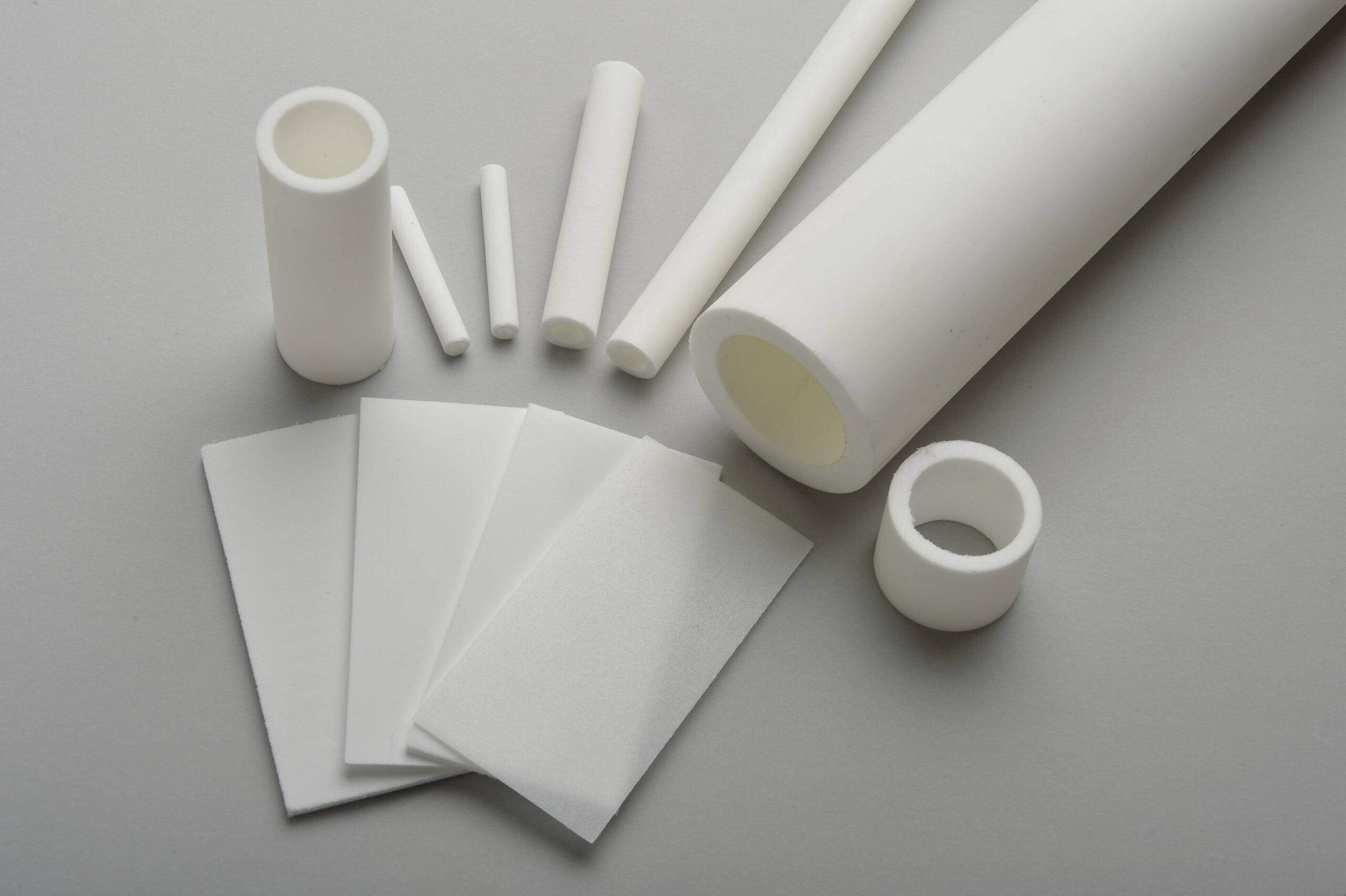
Porous Polymers: Engineered Performance, Not Passive Materials
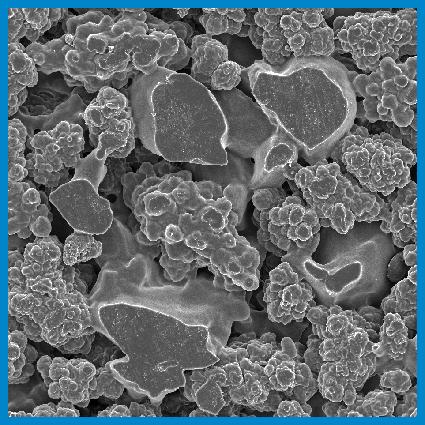
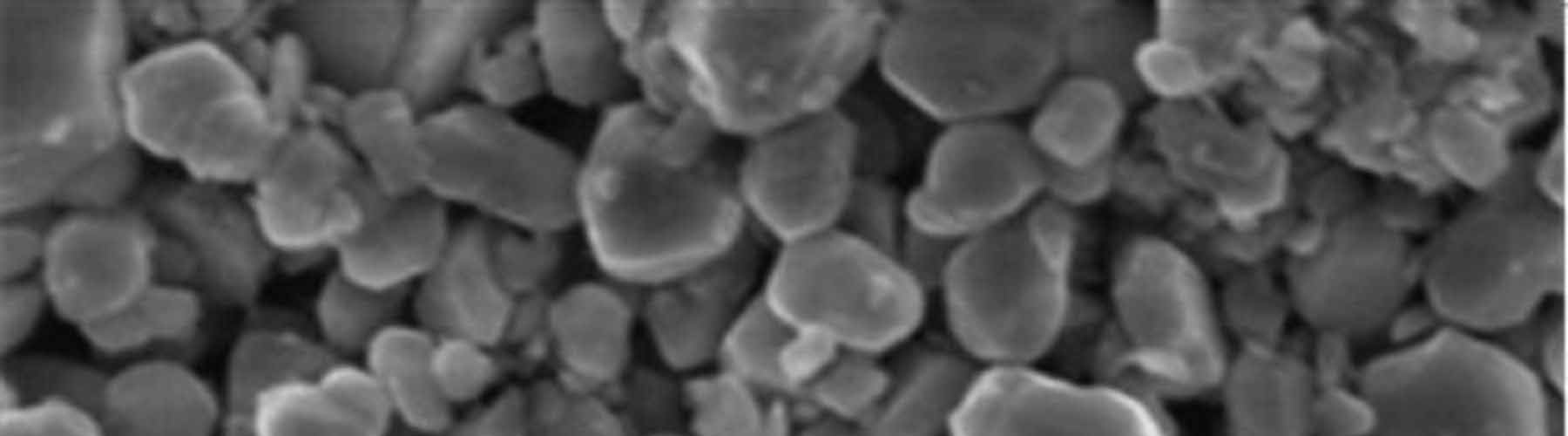
Porous polymer materials are precision‑engineered and designed to actively manage flow, filtration, absorption, and venting within medical devices. Unlike solid plastics, their interconnected pore networks allow engineers to tune performance across four independent parameters:
- Pore size: from sub‑micron to hundreds of microns fine tuning filtration
- Porosity: controlling flow rate and absorption capacity
- Surface chemistry: hydrophobic or hydrophilic behavior
- Mechanical properties: rigid or flexible structures optimized for automated manufacturing
This customization allows porous polymer materials to function as active performance enablers, making them ideal for regulated, high‑precision medical applications such as medical filters and membrane vents.
Porous polymer materials support innovation across a wide range of medical device segments including drug delivery, blood contact and surgical devices. For example, porous components enable pressure venting in wearable drug delivery systems, medicine flow control in topical applicators and sterile filtration in inhalers. They can also be used for surgical smoke, suction canister and blood filtration.

Talk with a Material Science Expert
Regulatory Compliance Is Not Optional and It Starts with Materials
Regulatory compliance increasingly drives component material decisions in medical devices. When selecting components, designs must consider biocompatibility and E&L testing, chemical characterization, sterilization validation and regional regulatory differences.
Recent regulatory developments underscore the importance of material science expertise:
- FDA guidance increasingly supports chemical characterization in place of animal testing
- EU MDR introduces strict thresholds for CMR substances
- PFAS regulations diverge sharply between the US and EU
- Sterilization choices (EtO, gamma, VHP) can significantly impact porous structures
Designing for the most restrictive regulatory environment (typically the EU) while maintaining global scalability requires early, informed material decisions. Choosing component materials that have a proven history of success in meeting regulatory requirements avoids costly redesigning later in development. For example, extractables and biocompatibility data combined with experience can eliminate months of early-stage testing.
With outpatient procedures rising and sterilization regulations evolving, material compatibility across multiple sterilization methods is also increasingly critical. It’s important to consider how your medical device materials will withstand the required sterilization method, and if there is existing validation data to support this.
Accelerating NPD With Proven Porous Polymer Materials
True acceleration happens when material science expertise is embedded throughout the design control waterfall, not introduced after concepts are locked. From design inputs through validation and transfer, partnering early with a porous polymer materials expert enables fewer iterations, faster regulatory alignment, reduced development risk, and smoother transition from prototype to production.
When applied strategically, porous polymer materials can directly shorten development cycles by addressing common new product development bottlenecks:
- Extensive validation data reduces early-stage testing timelines
- Design‑for‑manufacturing (DfM) eliminates costly scale‑up redesigns
- Single‑source material and component integration lowers supply chain risk
- Established sterilization compatibility avoids late‑stage surprises
Studies show that selecting the right material platform early can reduce medical device development timelines by 12–18 months1. OEMs that engage porous polymer experts at the concept stage consistently reduce regulatory surprises and late‑stage material pivots.
Material Science as a Competitive Advantage
Medical device innovation doesn’t slow down because of ambition; it slows down because of uncertainty. By leveraging precision‑engineered porous polymers, proven regulatory data, and a co‑creation partnership model, device manufacturers can transform material science innovation from a bottleneck into a competitive accelerator. The result: faster time‑to‑market, lower development risk, and devices engineered for performance, compliance, and scale from day one.
Our On-Demand Webinar
To learn more about Porex components for Medical Devices, check out the webinar below.