The Preanalytical Problem: Rethinking Sample Collection for Modern Diagnostics
Despite significant advances in assay sensitivity and detection limits, the performance of modern diagnostic technologies still fundamentally relies on the quality of the sample entering the assay.
Consistent sample quality is challenged by multiple preanalytical factors that are difficult to control. Beginning at sample collection, each transfer, filtration, and extraction step can influence what ultimately reaches the test. Problems include:
- Inadequate or inconsistent sample volumes
- Poor sample stabilization or delays in processing
- Particulate matter that clogs filters or restricts fluid flow
- Target analyte degradation or adsorption to collection materials
- Inhibitors that interfere with downstream assays
As testing moves beyond centralized laboratories into point-of-care, decentralized and self-collection settings, diagnostic developers need greater control over what happens between sample collection and analysis.
Closing that gap requires looking beyond the assay itself and treating sample collection as an integral part of the diagnostic system.
Example of Preanalytical Variability: Dried Blood Spot (DBS) Analysis
DBS provides a clear example of how inconsistencies in sample collection and preparation can complicate diagnostic workflows. Used for decades in newborn screening and infectious disease diagnostics, DBS offers practical advantages for sample collection, transport and storage.
In a conventional DBS workflow, blood is applied to an absorbent card and allowed to dry. Once dried, DBS samples can often be transported at ambient temperature, reducing the need for cold-chain logistics. In the laboratory, a portion of the dried blood spot is punched from the card and extracted for analysis.
Although the method is relatively simple, several preanalytical factors can affect sample quality and testing results:
- Hematocrit (the percentage of red blood cells) influences blood spread across the card, affecting analyte distribution within the spot
- Punch location and size influence the amount of sample used for analysis
- Extraction requires multiple processing steps that can introduce variability
Similar considerations apply to saliva, whole blood, respiratory samples and other complex biological matrices, although specific requirements vary by sample type, target analyte and downstream assay.
Addressing these challenges requires greater control over sample collection and preparation. Material science provides an opportunity to build that control directly into the collection system.
What If the Collection Material Did More?
ReadyGo Diagnostics® developed the GoCollect® platform around this concept, combining precision sampling, embedded processing chemistries, and controlled sample release within a single device. The GoCollect® capabilities are enabled by engineered Porex® bonded fiber, which provides the functional material architecture of the system.
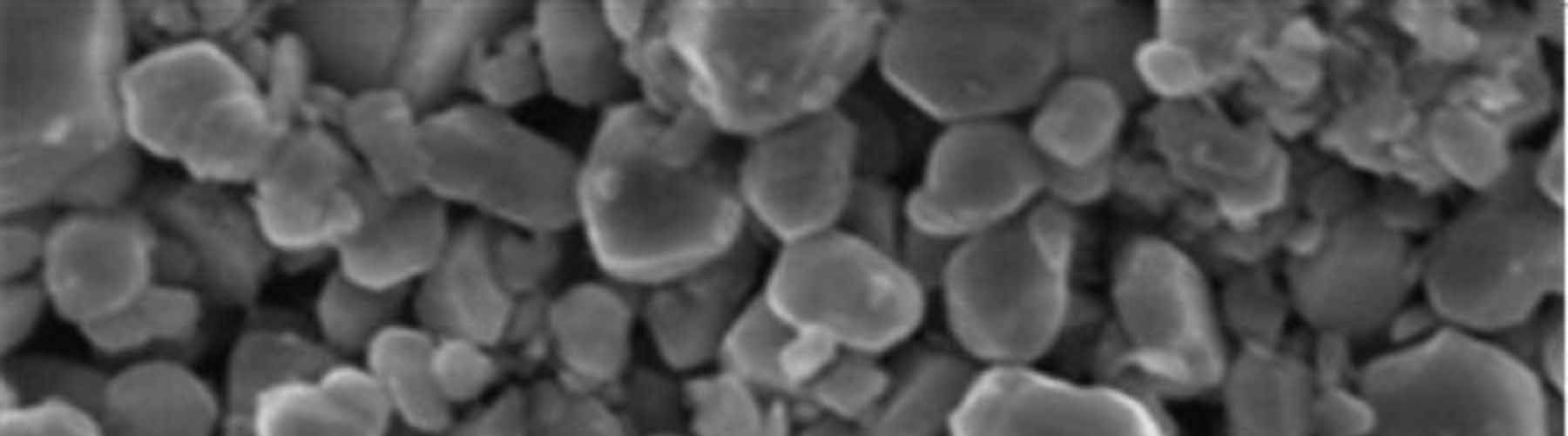
The precision of GoCollect® is inseparable from the properties of the Porex fiber wick. Porex bonded fiber is engineered with defined pore geometry, surface chemistry, and fiber orientation to control sample volume uptake. When collecting whole blood using the GoCollect® device, the Porex fiber wick absorbs a fixed volume with a coefficient of variation (CV) below 7%. No other fibrous material evaluated by ReadyGo achieved this level of precision.
ReadyGo also functionalizes the Porex fiber with their proprietary dry-down chemistries that activate when the sample enters the device. Depending on the application, these chemistries can stabilize nucleic acids, lyse cells, aggregate red blood cells, release protein-bound analytes or modify sample pH. This integration enables sample-processing functions to occur within the collection device, simplifying preanalytical workflows.
Porex bonded fiber is also chemically inert, minimizing the adsorption of nucleic acids, proteins and small molecules to support high analyte recovery for downstream analysis. Together, these material and chemistry capabilities have been evaluated across multiple sample types and downstream workflows, including lateral flow and molecular diagnostics, with additional applications in development.
In the webinar “Improve Blood Assay Analyte Preservation & Recovery with Advanced Materials,” ReadyGo Diagnostics and Porex explore how engineered materials and integrated chemistries can address preanalytical challenges across blood, DBS and other biological samples.
Watch Our On-Demand Webinar
Over the coming months, we will take deeper dives into several GoCollect® applications and the specific preanalytical challenges they are designed to address.