
Why watch this on-demand webinar
As non-invasive and self-collected sampling expands across diagnostics and clinical research, ensuring consistent DNA yield and purity has become a critical performance factor in molecular workflows. While analytical methods often receive significant attention, upstream sample collection decisions can strongly influence biomolecule recovery, inhibitor carryover, transport stability and overall assay reliability.
In self-collection settings, biological variability, incomplete release of captured material and residual inhibitors can contribute to variability in DNA yield when compared to clinician-collected reference samples. Addressing these challenges requires careful consideration of collection material properties, including uptake efficiency, controlled release and inhibitor retention.
In this webinar, the featured speakers will examine how material engineering influences DNA yield and purity in vaginal self-collection for HPV testing, drawing on pilot study data comparing self-collected and clinician-collected samples. They will also explore how these same material principles apply to saliva-based diagnostics, including exosome enrichment and RNA preservation, demonstrating how engineered porous materials can help optimize biomolecule recovery across sample matrices.
Who Should Attend?
- Scientists and Engineers developing non-invasive sample collection devices
- R&D and Product Development teams focused on vaginal, saliva, blood or urine-based sampling
- Innovation and technical leaders seeking to improve sample quality, stability and biomolecule recovery
What You Will Learn
- How collection materials influence sample quality, transport stability and biomolecule release
- Key material properties required for reliable DNA recovery in vaginal self-collection workflows
- How optimized materials enable recovery of RNA, proteins, exosomes and circulating nucleic acids from saliva
- About common limitations of traditional collection materials in downstream analytical workflows
Speakers:
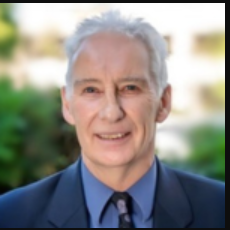
Paul Slowey
PhD, CEO and Founder, Oasis Diagnostics®
Paul Slowey, PhD, is the CEO and Founder of Oasis Diagnostics, a company focused on developing innovative non-invasive sample collection technologies for reliable biomolecule isolation. He holds a PhD in Organic Chemistry and has extensive experience in the development of collection systems for saliva and vaginal self-sampling applications. Dr. Slowey has led the design and commercialization of multiple sample-collection devices that support downstream molecular workflows, including DNA, RNA, protein, exosome and circulating cell-free DNA / RNA analysis. His work emphasizes the role of materials and device design in improving sample quality, stability and compatibility with analytical testing. Dr. Slowey has authored and co-authored one book and eight book chapters on salivary diagnostics as well as numerous peer-reviewed publications and works closely with academic and industry partners to advance decentralized and non-invasive sampling solutions.

Ellen Weinzapfel, PhD
PhD, Global Strategic Marketing Manager, Porex
Ellen Weinzapfel, PhD, bridges material science innovation with real-world applications in the MedTech, diagnostic, and life science markets. With a doctorate in Cell and Molecular Biology and more than a decade of experience in biotechnology, medical research, and genomics, Ellen collaborates closely with engineering and commercial teams to translate complex technologies into impactful customer solutions. She will serve as the moderator for this session.
Sign up to receive the webinar link and watch on demand