
From pore structure and water entry pressure to assembly, longevity and evolving PFAS requirements, Porex engineers answer questions submitted during our recent Porex Virtek® Sintered PTFE webinar.
Selecting the right porous membrane often raises questions that go well beyond material selection, especially when comparing different PTFE membranes, understanding hydrophobic PTFE behavior and PTFE pore size considerations.
How does sintered PTFE differ from expanded PTFE? Which membrane characteristics should engineers use to evaluate performance? How much water entry pressure can a membrane withstand? Does adding an oleophobic treatment affect hydrophobicity? And how should engineers think about evolving PFAS requirements?
Following our recent Porex Virtek Sintered PTFE webinar, attendees submitted questions spanning material science, membrane performance, assembly, regulatory considerations and application-specific design challenges.
Our engineering team answered those questions individually, and we’ve brought many of the most common topics together here so other engineers can benefit from the discussion on PTFE membranes, hydrophobic PTFE performance, and PTFE pore size.
Because membrane performance depends on the complete application and assembly, the answers below are intended as general engineering guidance. Application-specific requirements should always be evaluated with the appropriate material and design testing.
Watch Our On-Demand Webinar
Porex Virtek™ PTFE: Engineering Performance from Concept to Scale
1. What is the difference between sintered PTFE and expanded PTFE?
Both sintered PTFE (sPTFE) and expanded PTFE (ePTFE) begin with PTFE, but they are manufactured differently—and those manufacturing processes create different structures and performance characteristics in PTFE membranes.
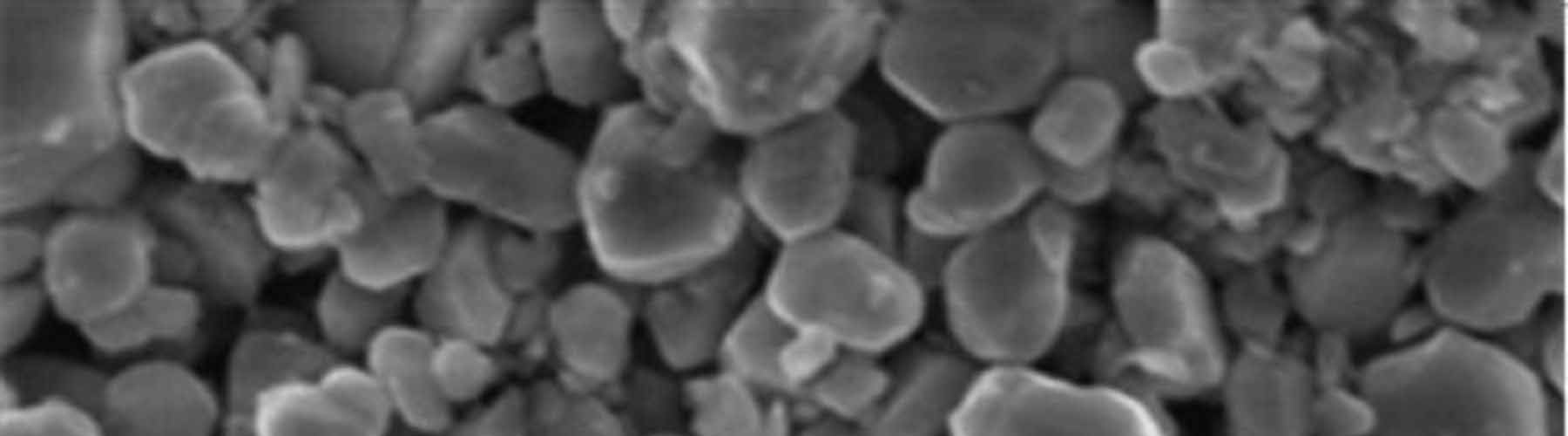
Sintered PTFE is produced by compressing PTFE particles and bonding them through a sintering process. The resulting material has depth, is self-supporting and contains a tortuous network of interconnected flow paths. This structure enables depth filtration while also providing mechanical robustness and resistance to demanding chemical and temperature environments.
Expanded PTFE is manufactured by extruding, calendaring and stretching PTFE. It creates a highly porous structure that can provide excellent liquid repellency and very high water entry pressure. However, expanded membranes may be more delicate and often use support layers, which can influence the temperature and chemical resistance of the finished laminate.
The best choice depends on the application. Where very high WEP performance is the primary requirement, ePTFE may offer advantages. Where durability, ease of handling, environmental resistance and depth filtration are priorities, sintered PTFE may be the better fit.
Porex’s technical comparison also highlights that Porex Virtek Sintered PTFE is a single-layer, self-supporting membrane with bonded particles, a tortuous depth-filtration path and identical functional orientation on both sides.
2. How should engineers evaluate pore size in a sintered PTFE membrane?
PTFE Pore size is often one of the first specifications engineers ask about, but it is not always the most useful predictor of how a PTFE membrane will perform in the finished application.
Porex Virtek Sintered PTFE contains a randomized network of interconnected pores and flow paths rather than straight, uniform channels. As a result, the membrane contains a distribution of pore sizes throughout its structure rather than one defined pore geometry.
For many Porex Virtek materials, pore-size testing is therefore not part of the routine product approval process. Instead, Porex characterizes membrane performance using parameters that more directly relate to the end application, including:
- Airflow
- Water Entry Pressure (WEP)
- Membrane thickness
- Oleophobic grade, when applicable
The right question is often not simply “What is the PTFE pore size?” but rather “What combination of airflow, liquid protection and filtration performance does my system require?”
3. What is Water Entry Pressure, and how high can Porex Virtek membranes go?
Water Entry Pressure, or WEP, describes the pressure required for liquid water to penetrate a hydrophobic PTFE membrane. It is an important design consideration when a vent must allow gas flow while protecting the system from liquid ingress.
Among the materials discussed in the webinar Q&A, PMV27 and BM120 provide Porex’s highest WEP specifications.
PMV27 has a minimum WEP of 750 mbar and a typical value of 1050 mbar, with a nominal thickness of 0.19 mm.
BM120 has a minimum WEP of 840 mbar and a typical value of 1400 mbar, with a thickness of 3.0 mm.
These examples also demonstrate why hydrophobic PTFE membrane selection should not be based on a single specification. Thickness, airflow, WEP and the requirements of the finished assembly need to be considered together.
4. Are airflow rates linear as differential pressure changes?
Generally, airflow through Porex Virtek membranes increases approximately linearly with differential pressure over a typical operating range.
The exact relationship depends on the PTFE membrane grade, thickness and operating conditions, so linearity should be treated as a useful engineering approximation rather than a universal performance specification.
For applications where flow behavior is critical, testing the selected membrane under the actual pressure range and assembly conditions remains the best approach.
5. Does oleophobic treatment reduce the membrane’s hydrophobicity?
No. According to Porex engineering guidance, the oleophobic treatment is a surface modification and does not eliminate the membrane’s underlying hydrophobic behavior. Hydrophobic PTFE performance is maintained.
Oleophobic treatment may be useful when the application must also repel oils or other low-surface-tension liquids.
The treatment has also not shown evidence of negatively affecting weldability to plastic in Porex’s experience. However, welding performance depends on the membrane construction, mating material, support structure and process parameters, so application-specific validation is recommended.
6. How can Porex Virtek Sintered PTFE be integrated into a finished assembly?
The PTFE membrane is only one part of the final system, so assembly method should be considered early in development.
Depending on the selected grade and application, integration approaches may include:
- Ultrasonic welding
- Thermal welding
- Over-molding
- Pressure-sensitive adhesive
- Compression sealing
- Push-fit assembly
For example, the PMV27 datasheet identifies ultrasonic welding, thermal welding, over-molding, pressure-sensitive adhesive and compression sealing as potential assembly methods. BM120 also supports several integration approaches, including over-molding, compression sealing and push-fit assembly.
Final adhesive or welding selection should always be validated with the actual mating material and operating environment.
Connect with a Porex Expert
7. How durable are sintered PTFE membranes over time?
PTFE is a highly stable material, making it well suited for applications that require long operating lifetimes.
Porex’s shelf-life statement notes that its 100% PTFE membranes are manufactured from pure PTFE resin and, based on supplier information, can have an unlimited shelf life when stored in a clean, dry environment. Composite membranes and adhesive-backed constructions have different recommended storage periods and conditions.
The inherent hydrophobic properties of the membrane are not expected to diminish simply as a result of storage time. As with any material, actual service life in the finished product depends on the application’s operating environment and assembly conditions.
8. Can Porex Virtek Sintered PTFE be made hydrophilic?
A hydrophilic version is not currently offered within the Porex Virtek Sintered PTFE technology platform.
PTFE is inherently hydrophobic, which is one of the characteristics that makes it valuable for venting and liquid-protection applications.
For applications requiring a hydrophilic porous material, other technologies within the broader Porex portfolio may be better suited. Understanding the fluid, desired function and operating environment helps determine which porous material platform is appropriate.
This is also an example of why starting with the engineering challenge—rather than starting with a predefined material—can lead to a better solution.
9. Can a PTFE vent block liquid water but still allow pressure equalization?
Yes. This is one of the core functions of a hydrophobic PTFE vent.
The interconnected porous structure allows gases to move across the membrane and equalize pressure while the hydrophobic surface resists penetration by liquid water.
However, an important distinction is that blocking liquid water is not the same as blocking water vapor.
Porex Virtek PTFE vent membranes allow gas transmission and resist liquid-water ingress, but they are also permeable to water vapor. Applications that require selective transport of gases such as nitrogen or oxygen while preventing both liquid water and water vapor require a different technical approach.
10. What determines the burst pressure of a PTFE vent?
Burst pressure is not solely a PTFE membrane property.
The pressure at which a vent assembly fails can depend on :
- Vent diameter or exposed membrane area
- Mounting method
- Assembly geometry
- Supporting structure
- Operating conditions
For this reason, Porex does not assign a single universal burst-pressure value to a material such as PMV10.
Where a controlled burst pressure is required, the complete vent assembly must be engineered and tested accordingly. In some designs, a dedicated mechanical feature may be used to intentionally initiate rupture at a predetermined pressure.
11. What should engineers know about PTFE, PFAS and other regulatory requirements?
This was one of the most frequently discussed topics following the webinar.
PTFE falls within many regulatory definitions of PFAS because of its fluorinated chemistry. At the same time, PTFE is a high-molecular-weight polymer and differs significantly from the small-molecule PFAS substances that have been the focus of many environmental and health restrictions. Reflecting this distinction, the FDA recently confirmed the safety of PTFE for use in medical devices.
Porex continues to monitor the evolving regulatory landscape and work with raw-material suppliers to manage compliance requirements.
Based on information provided by our raw-material suppliers, along with our own analysis and manufacturing controls, Porex Virtek Sintered PTFE materials:
- Do not exceed specified maximum concentration values under EU RoHS requirements
- Do not exceed applicable China RoHS concentration limits
Additionally, specifically related to PFAS, Porex Virtek Sintered PTFE materials:
- Do not intentionally contain substances listed in applicable REACH Annex XIV or XVII restrictions, which include many small-molecule PFAS
- Do not contain candidate-list Substances of Very High Concern (SVHCs) above 0.1% by weight
- Do not contain regulated Persistent Organic Pollutants (POPs), including PFOA and PFOS, above applicable regulated levels
Because PFAS requirements continue to evolve across jurisdictions and applications, engineers should confirm the latest regulatory requirements for their specific product and market rather than relying on a general material statement alone.
Porex is also actively evaluating alternative material technologies, including low-PFAS and PFAS-free membrane concepts, where future application requirements may call for them.
12. Is PTFE biodegradable, and how should it be handled at end of life?
PTFE is highly inert because of the strength of its carbon-fluorine bonds and is not biodegradable.
Where possible, recycling and industrial reprocessing should be considered. Porex has historically worked with industrial reprocessing networks to recycle PTFE manufacturing waste.
Other disposal approaches may include engineered landfill or specialized high-temperature incineration where permitted, but disposal requirements vary by location. The appropriate end-of-life pathway should therefore be determined according to local environmental and waste-management regulations.
13. Is PTFE always the right porous material?
No—and that is an important part of material selection.
PTFE membranes provide an unusual combination of hydrophobicity, chemical resistance, temperature capability and durability, but not every application needs those characteristics.
For example, when one webinar attendee asked about a porous vacuum pad for picking up labels, the engineering recommendation was to consider sintered polyethylene (PE) or polypropylene (PP) rather than PTFE. Those materials may provide the required airflow and vacuum distribution more economically for that type of application.
The objective should always be to select the porous material that best matches the functional requirements of the finished system—not to force every application into the same material platform.
Start with the Engineering Challenge
The range of questions submitted during the Webinar reinforces an important point: membrane performance cannot be reduced to a single property such as PTFE pore size, airflow or WEP.
Material chemistry, pore structure, thickness, surface treatment, assembly method, operating environment and long-term requirements all interact within the finished product.
That’s why the most productive membrane discussions begin with the application itself.
If you’re evaluating a filtration, venting or fluid management challenge, connect with a Porex engineer to discuss your performance requirements and determine whether Porex Virtek Sintered PTFE—or another porous material platform—is the right fit for your application.