Self-collection is reshaping the future of molecular diagnostics. From HPV screening to colorectal cancer screening and other nucleic acid–based tests, at-home and non-invasive sampling methods are improving access, participation, and scalability. But as diagnostics move closer to the patient, one factor has become increasingly critical: the swab material used to collect the sample.
The Hidden Challenge of Self‑Collected Samples
Self‑collected samples introduce variability that can affect downstream assay performance. Differences in user technique, biological variability, transport conditions, and the presence of inhibitors all influence nucleic acid stability, purity, and yield.
Common challenges include inconsistent sample uptake, inefficient biomolecule release, and assay interference caused by contaminants. Without sample collection materials designed to manage these variables, even robust molecular assays can underperform.

Why Collection Materials Are Foundational
An effective sample collection swab material must do more than absorb fluid. It must be engineered to enable:
- Controlled and reproducible sample uptake
- Efficient, consistent release during extraction
- Retention of inhibitors before they reach the assay
- Preservation of DNA integrity during storage and transport
Material design directly determines the quality of DNA entering the analytical workflow—and ultimately, diagnostic reliability.
Advancing Vaginal Self‑Sampling Through Material Design
Cervical cancer is largely preventable, yet screening rates remain low due to access barriers and discomfort associated with clinician‑based collection. Vaginal self‑sampling has emerged as a proven strategy to expand participation by offering a less invasive, at‑home alternative. In 2025, the American Cancer Society updated their guidelines to include self-collection for HPV testing.
For self‑collection to succeed at scale, however, DNA quality must match clinician‑collected reference samples. This requirement places DNA swab material selection at the center of device performance.

High‑Release Media Enables Results
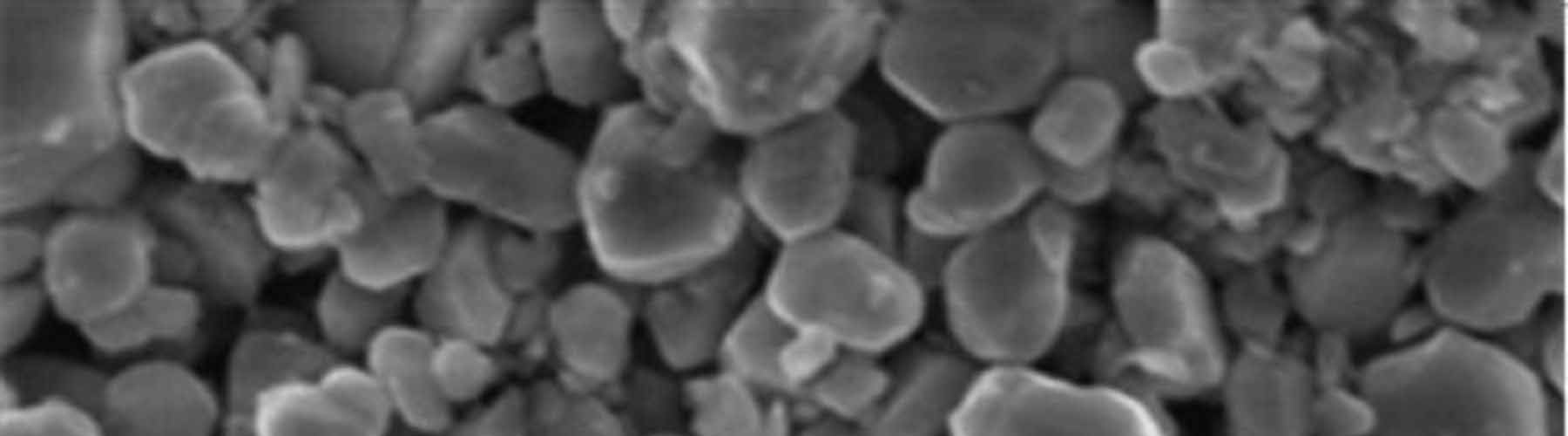
Porex High-Release Porous Media (HRM) is a hydrophilic, highly porous fiber structure custom-engineered for controlled absorption, efficient mechanical release, and inhibitor retention. HRM is the swab material in Fem•CollectTM, an innovative vaginal self-sampling device developed by Oasis Diagnostics®.
In a multi‑center pilot study, Fem•CollectTM was evaluated against a competing self‑sampling device and clinician‑collected samples. Samples were collected using the following three methods from 21 participants in the study and screened using the cobas® HPV assay:
- DNA yield and purity from Fem•CollectTM devices matched clinician‑collected samples, and were superior to the competitor device
- Fem•CollectTM had high concordance with screening results from clinician collected reference samples
- Patients reported a preference for the ease of use and clarity of the Fem•CollectTM device
Results indicated that sample collection material design had a measurable effect on performance and demonstrated that Porex HRM swab material enables high-quality DNA recovery from vaginal self-collection samples that is equivalent to gold standard clinician collection. Choosing engineered porous materials can reduce the performance gap between convenience and clinical performance.
Porex Materials Support Improved Diagnostic Workflows
The Fem•CollectTM study reinforces a principle that applies across molecular diagnostics: better sample collection materials enable better outcomes. Porex HRM is designed to reduce variability at the point of collection, which can support higher nucleic acid yield, improved purity, and more consistent molecular analysis.
Porex works with diagnostic developers to design sample collection swab materials optimized for specific workflow requirements, where material performance has the most direct impact on sample quality—at the very beginning of the workflow.
To learn more about the Fem•CollectTM device and study, as well as how Porex enables saliva sample collection, check out the webinar below. You can request a sample of the device here.
Watch Our On-Demand Webinar
Optimizing DNA Yield in Self-Collected Samples