
Life Sciences – Diagnostics
Sample Preparation Media
Providing sample purification with high analyte concentration
Sample preparation directly impacts the accuracy and reproducibility of downstream diagnostic analysis. Removing particulates, isolating target components, and eliminating inhibitors are essential steps for achieving consistent results across sample types and workflows.
Porex engineers develop bonded fiber wicks, sintered polymer filters, and track-etched membranes that bring control and consistency to these critical steps. Our sample preparation products improve sample quality while simplifying workflows across centralized laboratory and point-of-care testing environments.

Engineered Materials for Advanced Sample Preparation
Porex porous materials are engineered to control how fluids flow, particulates are retained, and target components are separated. By tailoring pore size, structure, and surface properties across these core technology platforms, Porex enables filtration, selective separation, inhibitor removal, and simplified sample processing across a wide range of diagnostic applications.
High-Release Fiber Media (HRM)
High-Release Fiber Media (HRM) is a highly hydrophilic polyolefin fiber engineered for precise volume absorption, release, and chemical integration. In sample preparation workflows, HRM functions as an active processing material, enabling simultaneous sample transfer, inhibitor removal, and reagent delivery within a single component.
Key Functional Capabilities:
- Integrated sample processing: Option to incorporate lysis and stabilization reagents directly into the material, enabling simultaneous sample conditioning and transfer
- Inhibitor removal: Retains interfering substances, improving sample purity for DNA, RNA, protein, and cell-free nucleic acid testing
- Controlled absorption and release: Enables efficient transfer of processed samples into downstream workflows
Best suited for:
- Integrated sample prep combining lysis and purification
- PCR inhibitor removal in molecular workflows
- Sample transfer into downstream assays

Depth Filtration Media
Porex depth filtration media is engineered with controlled pore structure, surface area, and flow behavior for reliable processing of the most challenging sample types, including stool, sputum, and other viscous or high-particulate matrices that rapidly clog conventional filters.
Key Functional Capabilities:
- High particulate loading capacity: Captures cells, debris, and particulates from complex biological samples without clogging
- Consistent flow control: Regulates fluid movement across variable sample consistencies, improving processing reliability
- Centrifugation-free processing: Enables passive filtration workflows, reducing reliance on laboratory equipment
- Optimized surface area geometry: Supports high-throughput filtration without sacrificing flow rate or particulate retention
Best suited for:
- Stool, sputum, and other viscous or high-particulate sample types
- Pre-filtration before downstream processing
- Applications requiring clog-resistant filtration


Improved Stool Filtration for High-Throughput Diagnostics:
Oxyphen® Track-Etched Membranes (TEM)
Oxyphen® track-etched membranes (TEM) are precision-engineered PET and polycarbonate membranes with highly uniform pore structures, available in unlaminated (Unique-Mem) and laminated (RoTrac) formats. Their defined pore architecture and durable substrate make them well suited for plasma separation from whole blood, particularly in low-volume microsampling workflows.
Key Functional Capabilities:
- Low-volume efficiency: Supports plasma separation from as little as 10-20 µL of fingerstick blood
- Surface filtration performance: Smooth pore structure minimizes nonspecific binding and improves sample purity
- Consistent flow behavior: Defined pore architecture maintains reliable flow with reduced fouling and clogging across membrane roll stock
Best suited for:
- Plasma separation from whole blood in low-volume microsampling workflows
- Lateral flow assay sample preparation
- Applications requiring highly reproducible filtration performance


An update on Membranes for Plasma Isolation from Whole Blood
Example Applications and Case Studies
Reliable Plasma Separation from Low-Volume Whole Blood
Separating plasma from small volumes of whole blood (10-20 µL) is critical for point-of-care and microfluidic diagnostic devices. However, conventional depth filters and membranes introduce variability, handling challenges, and integration limitations that make consistent performance difficult to achieve at low volumes.
Porex developed a track-etched surface membrane (TEM) engineered specifically for low-volume blood plasma separation. The tightly controlled pore architecture supports precise blood plasma separation while maintaining reliable flow across small sample volumes.
Key Results and Performance Advantages:
- Consistent, reproducible separation through uniform pore structure, reducing variability compared to conventional depth filter membranes
- Plasma separation from 10-20 µL without requiring extreme miniaturization
- High plasma yield with controlled hemolysis, delivering comparable performance to depth filter membranes with improved robustness
- Scalable integration supporting practical geometries for microfluidic and point-of-care platforms

Webinar on Membranes for Plasma Isolation from Whole Blood
Reducing False Negatives in PCR Diagnostics with Advanced Filtration
PCR-based diagnostics for complex samples, such as sputum, are routinely limited by inhibitory substances that interfere with amplification, increasing the risk of false negatives and inaccurate results.
Porex worked with a leading diagnostics manufacturer to optimize sample filtration within a cartridge-based PCR system. The existing design relied on a multi-component filter stack that introduced manufacturing complexity and failed to consistently remove inhibitors from sputum samples. Porex developed a custom porous fiber filter that integrates directly into the cartridge, combining particulate filtration and inhibitor removal into a single, consistent structure.
Key Results and Performance Advantages:
- Enhanced PCR sensitivity through effective inhibitor removal, enabling a 2 Ct improvement in detection from sputum samples
- Simplified device design, replacing a multi-component filter stack with a single integrated filtration solution
- Regulatory continuity through 1:1 replacement without requiring revalidation of the diagnostic system
- Cleanroom manufacturing under ISO Class 7 conditions to support regulatory and quality requirements

Assay Cartridge Components for Molecular Diagnostics
Simplifying Stool Sample Preparation for Molecular and Immunoassay Diagnostics
Fecal samples are among the most challenging matrices in diagnostic sample preparation. High particulate loads lead to filter clogging, inconsistent yields, and workflows requiring centrifugation, mechanical disruption, and vortexing before samples are ready for analysis.
Porex partnered with a diagnostics manufacturer to simplify stool sample clarification for high-throughput testing. The existing workflow required multiple manual processing steps to adequately prepare samples for downstream analysis. Porex developed a custom single-pass filtration device with engineered geometry and approximately 3 times the surface area of standard filters, enabling efficient clarification across a wide range of sample consistencies without clogging.
Key Results and Performance Advantages:
- Single-pass sample clarification eliminating centrifugation and multi-step processing, reducing a 4+ hour workflow to 5 minutes
- Increased filter surface area reduces clogging across variable sample viscosities
- Consistent filtrate quality enabling reliable downstream PCR and immunoassay testing
- Simplified syringe-based device format supporting ease of use in laboratory and decentralized settings

Learn more about this case study in our on-demand webinar:
Advancing MedTech and Diagnostics Through Materials Expertise
Emerging Capabilities: Centrifugation-free Blood Component Separation
Porex is advancing centrifugation-free approaches to blood component separation from standard volumes (5-10 mL) using engineered multi-layer porous structures. These solutions are designed to selectively retain or isolate specific blood components, including plasma, pathogens, and other analytes, while maintaining consistent flow and minimizing cell stress.
By tailoring pore size, distribution, and layer architecture, Porex enables customizable separation strategies for applications including plasma isolation, pathogen enrichment, and analytical sample preparation in device formats compatible with both laboratory and at-home diagnostics.
This is an active area of development at Porex. Engineers interested in centrifugation-free blood processing at standard volumes are encouraged to contact us to discuss specific workflow requirements.

Related Resources
Select Samples
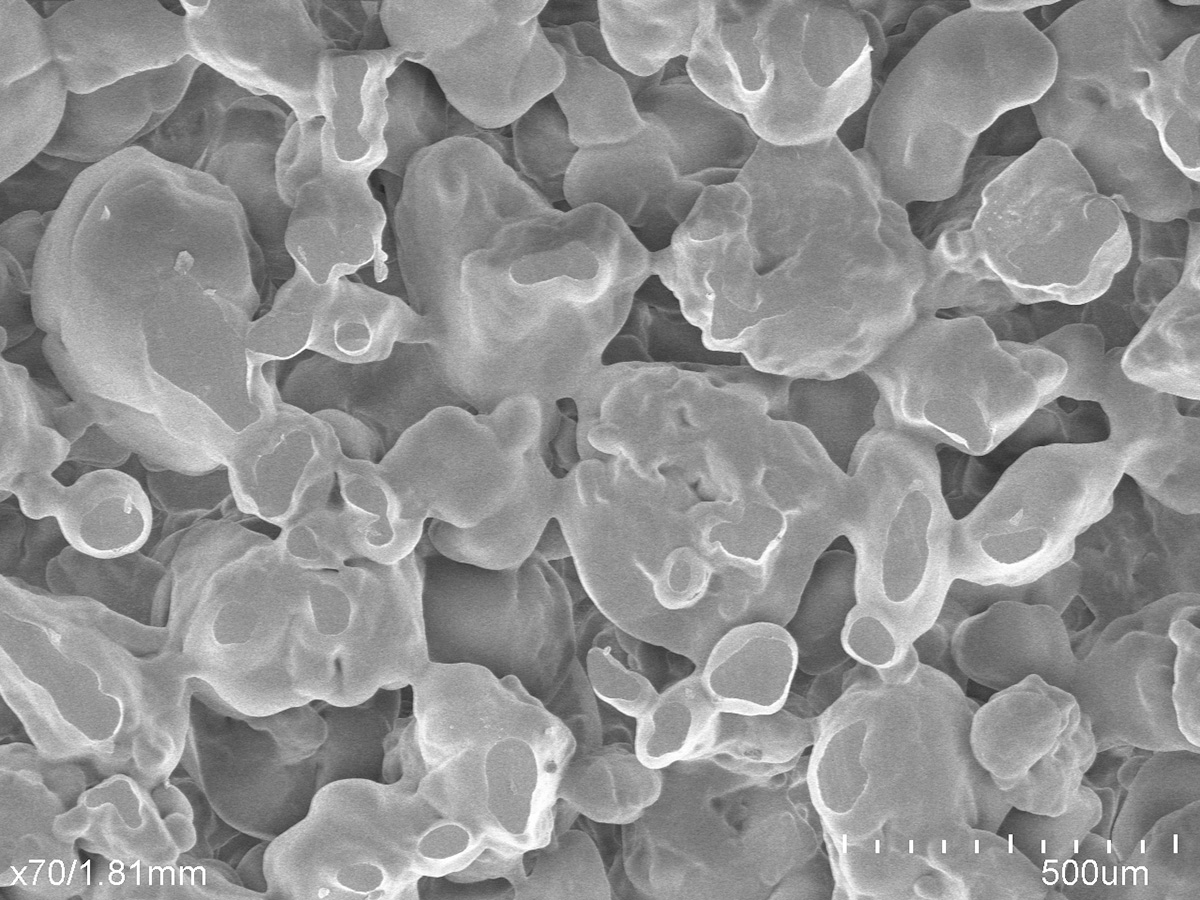
Explore our most common functional sample library and see for yourself the possibilities of custom materials.
Ask an Engineer
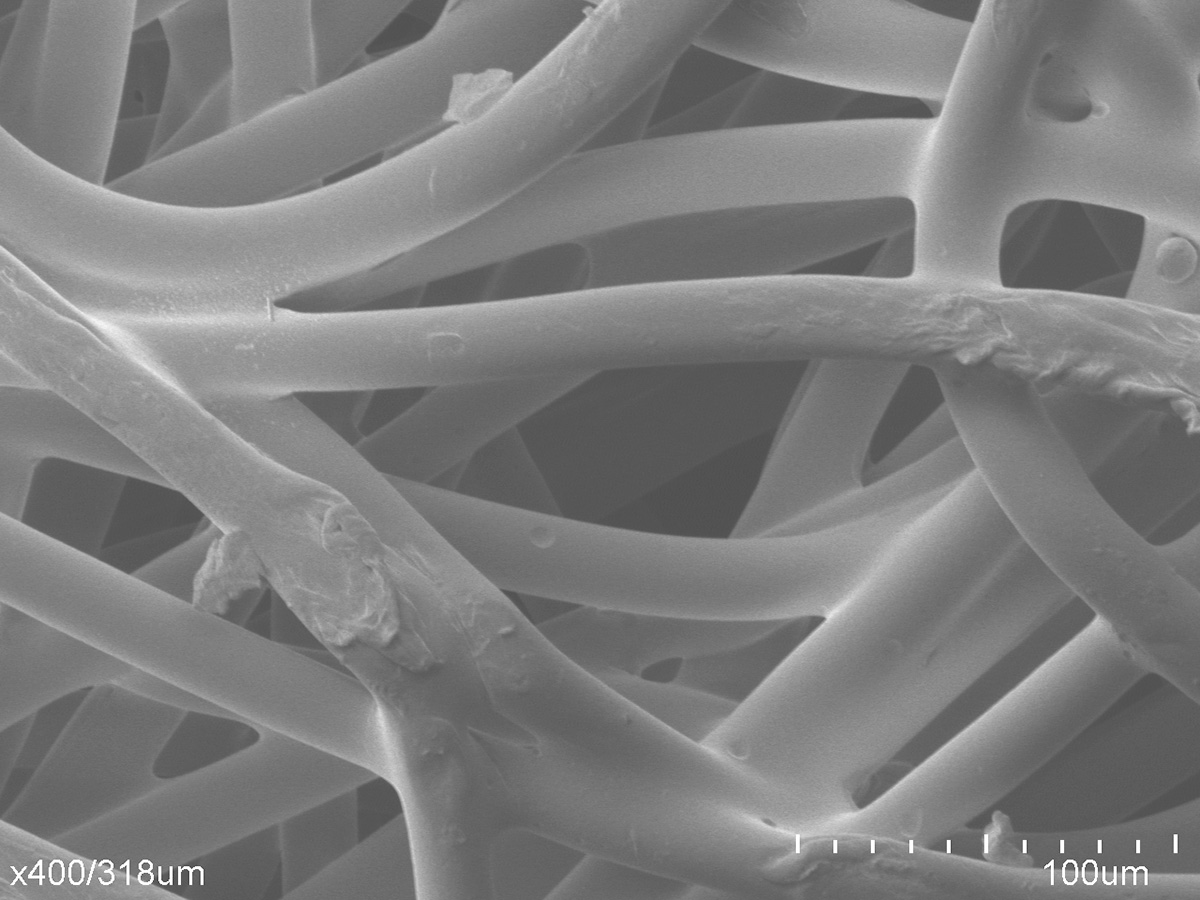
The first step is a quick consultation with one of our experienced Application Engineers.