

Life Sciences – Diagnostics
Diagnostics Sample Collection
Precisely Engineered Materials for Consistent Sample Collection
Sample collection directly impacts downstream assay performance, making it one of the most critical steps in diagnostic workflows. Effective sample collection requires materials that ensure precise sample volumes, minimize variability from user technique, and maintain analyte stability through transport.
Porex engineers develop sample collection materials that control these variables, enabling consistent, high-quality sample inputs across a wide range of collection devices and applications.

The Core Technology: High Release Fiber Media (HRM)
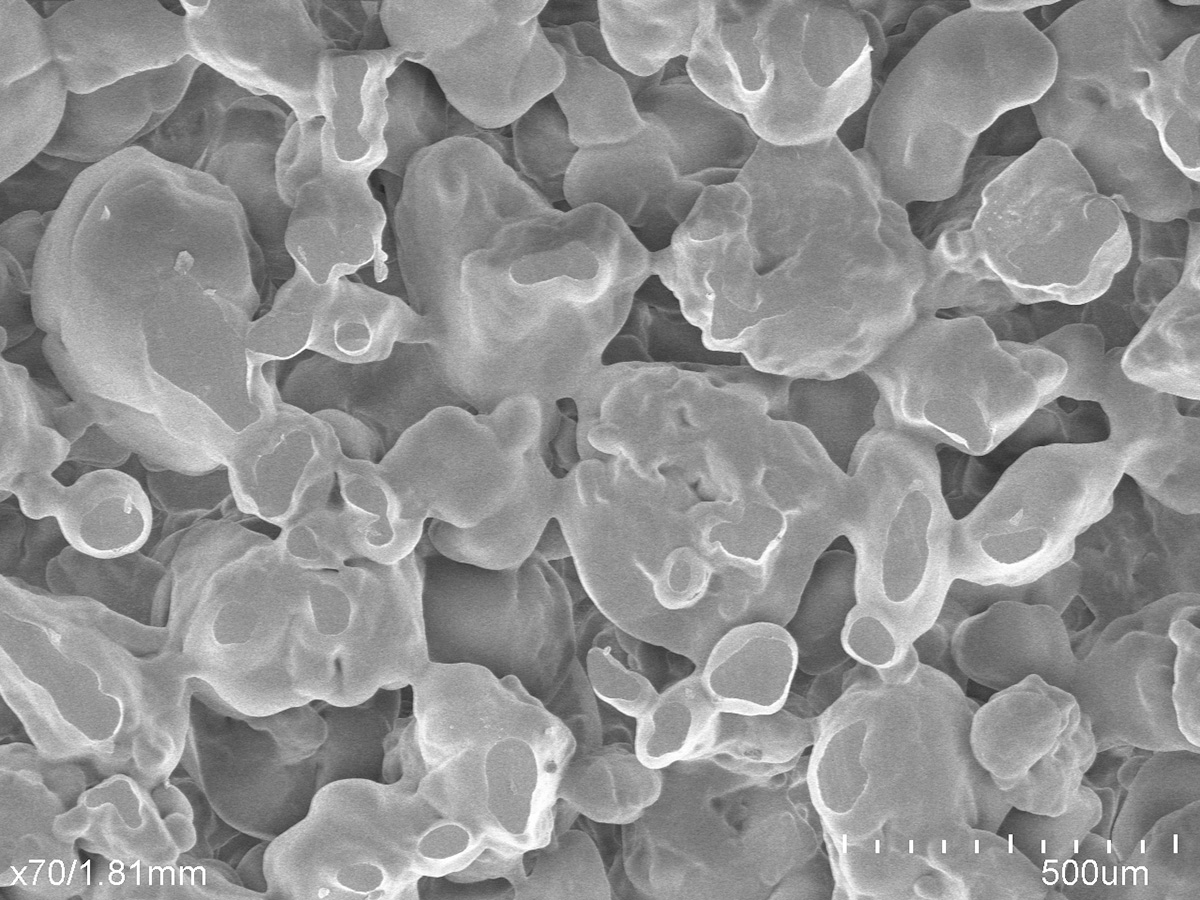
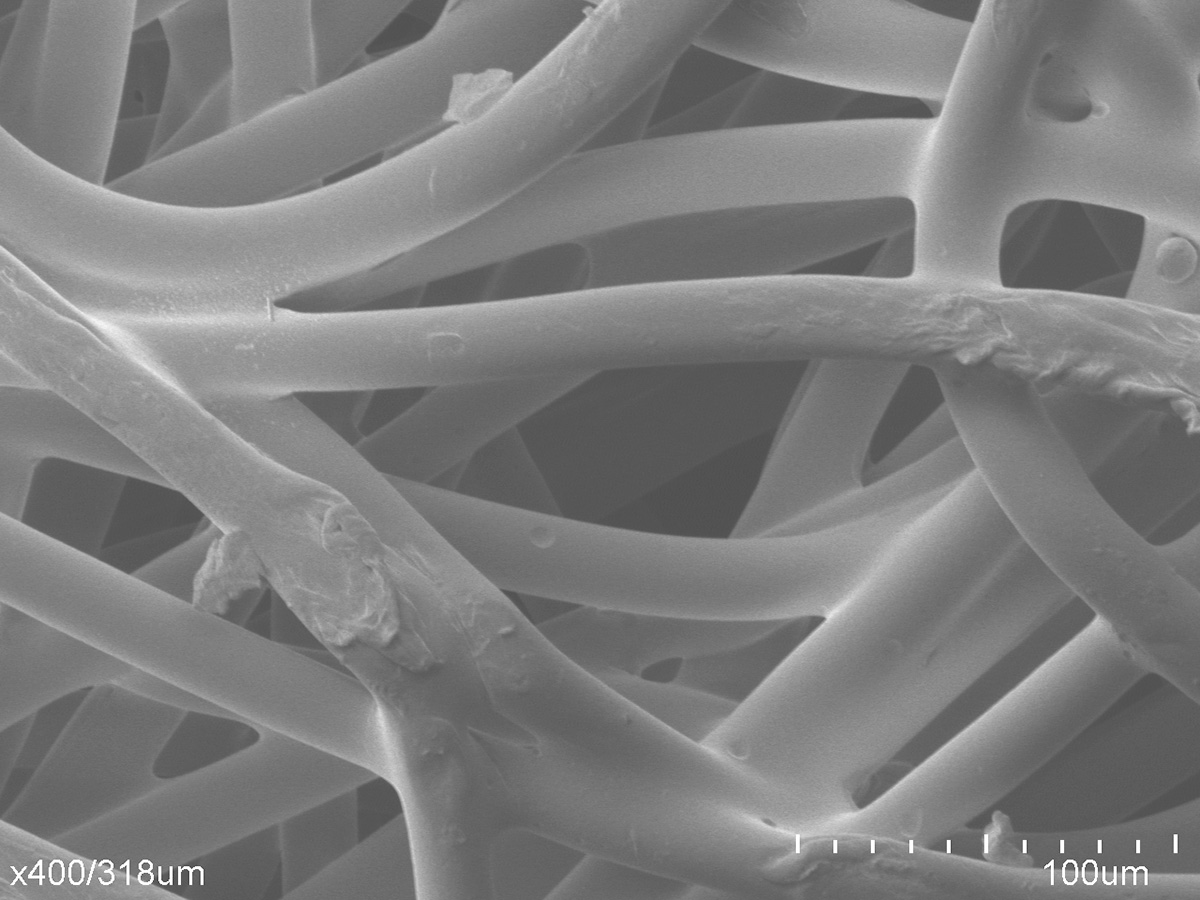
The foundation of Porex sample collection solutions is High-Release Fiber Media (HRM), a highly absorptive, hydrophilic polyolefin fiber matrix engineered with defined pore size and pore volume. HRM is the material of choice for sample pads, collection swabs, and absorbent pads where controlled uptake, retention, and release are critical to diagnostic performance.
Key Functional Capabilities
Precise, repeatable sample volumes:
HRM captures and releases defined sample volumes with 80-90% recovery, enabling consistent downstream analysis.
Reagent integration at the point of collection:
HRM pads and swabs can incorporate lysing buffers, stabilization reagents, and color-change volume adequacy indicators directly into the collection material. These enhancements allow immediate sample conditioning, eliminating additional processing steps.
Supported Sample Types and Collection Formats
Porex HRM is compatible with a broad range of biological matrices and collection device formats.
Biological Samples:
- Saliva and oral fluid
- Sputum
- Stool and fecal samples, including Cary-Blair media applications
- Swab-based samples: oral, nasal, nasopharyngeal, wound
- Cervico-vaginal samples
- Capillary blood and volumetric microsampling
Collection Device Formats:
- Sample pads and absorbent pads for lateral flow and immunoassay devices
- Self-collection swabs and medical swabs for at-home and clinical use
- Volumetric microsampling devices for capillary blood collection
- Cartridge-based collection systems for point-of-care workflows
Example Applications and Case Studies
Consistent Sample Recovery for Vaginal Self-Collection
Vaginal self-sampling is transforming access to HPV and STI diagnostics, but variability in sample quality can impact test accuracy and reliability. Porex partners with diagnostics developers to engineer materials that improve consistency and analyte recovery in self-collection devices.
In Fem•Collect™ vaginal self-sampling devices by Oasis Diagnostics®, Porex HRM captures the specimen and efficiently releases it for downstream analysis. The material’s controlled pore structure enables consistent uptake, supporting higher-quality DNA recovery compared to traditional swab-based collection materials.

Key Results and Performance Advantages:
- Controlled sample uptake and release for reproducible diagnostic results
- Improved DNA yield and purity for more reliable PCR-based testing, including HPV detection
- Soft, compliant material for improved user comfort during self-collection

Learn More About Vaginal Self-Collection:
Using Porous Plastics for Wicking
Functionalized Collection Media for Simplified Molecular Workflows
Conventional swab-and-buffer collection methods introduce variability in diagnostic workflows due to inconsistent sample release, instability during transport, and multi-step processing requirements. Porex partnered with ReadyGo™ Diagnostics to develop a material solution that streamlines the sample journey from collection to elution.
The resulting GoCollect® system uses Porex HRM to capture samples, deliver embedded reagents, and release samples for final analysis. Using ReadyGo’s proprietary dry-down technology, lysing and stabilization chemistries are incorporated directly into the Porex swab material, enabling immediate on-device sample processing.

Key Features and Performance Advantages:
- Controlled sample uptake and release for consistent input volumes and reproducible downstream performance
- On-device lysis and activation using embedded reagents, making DNA and RNA immediately accessible
- Ambient sample stability for up to 3 months, eliminating cold chain requirements
- Integrated dilution and dispensing for controlled sample transfer into point-of-care and cartridge-based PCR workflows

Smarter Materials for Diagnostics:
See the lastest on how Porex is enabling precise sample volumes
Volumetric Blood Collection for Microsampling Applications
Variability in sample volume is a primary source of error in capillary blood microsampling workflows, directly impacting accuracy in dried blood spot analysis, point-of-care diagnostics, and patient monitoring in clinical trials. A leading volumetric blood collection device developer engaged Porex to solve this challenge, resulting in a hydrophilic porous polymer matrix engineered to draw blood through capillary action and meter a defined volume within the structure. Controlled porosity and surface properties ensure reproducible uptake and retention across users and settings.
Key Features and Performance Advantages:
- Fixed-volume sample collection, independent of user technique
- Reliable absorption and retention for dried blood storage
- Controlled fluid flow and venting to support consistent device filling and prevent air entrapment
- Minimal nonspecific binding helps preserve sample integrity for downstream testing

Resources

Webinar
Optimizing DNA Yield in Self-Collected Samples Through Advanced Materials
As non-invasive and self-collected sampling expands across diagnostics and clinical research, ensuring consistent DNA yield and purity has become a critical performance factor in molecular workflows.
Webinar
Redefining Conventional Diagnostics
Webinar
In this webinar, explore the integration of Porex materials with ReadyGo’s chemistry and design platforms, which have simplified measured laboratory procedures — like pipetting and cell lysis prep — into cost-effective workflows suitable for any user.

Blog
Why Collection Material Matters
Self-collection is reshaping the future of molecular diagnostics. From HPV screening to colorectal cancer screening and other nucleic acid–based tests, at-home and non-invasive sampling methods are improving access, participation, and scalability.
Select Samples
Explore our most common functional sample library and see for yourself the possibilities of custom materials.
Ask an Engineer
The first step is a quick consultation with one of our experienced Application Engineers.