
Pre-analytical materials, used for sample collection and preparation, play a critical role in diagnostic assay development. But no single material works for every workflow. Different sample types, assay chemistries, and testing environments each create unique requirements that can significantly impact performance. In molecular workflows, for example, inhibitor removal can be essential to reliable PCR amplification, particularly with complex matrices like sputum or stool.
As diagnostic developers continue pushing toward faster, simpler, and more decentralized testing platforms, material selection becomes even more important. The right porous material can help standardize sample quality and reduce assay interference, supporting more reliable and accurate results.
Key Evaluation Criteria for Materials Testing in Diagnostics
Because every assay has different requirements, a useful starting point is a short set of criteria to test against rather than a fixed specification:
- Sample matrix and volume. Does the material perform consistently with your specific sample type (blood, urine, sputum, stool, saliva) and expected volume range?
- Interferent and inhibitor profile. Does your matrix carry known PCR inhibitors, and does the material remove them without also stripping out your target analyte?
- Analyte release efficiency. Does the material release the analyte efficiently at the right step in your workflow — not just absorb it well?
- Downstream platform compatibility. Does performance hold up in your actual assay format, whether that’s PCR, lateral flow, or a point-of-care cartridge?
- Usability and collection conditions. Will the material perform reliably outside a controlled lab setting, if your workflow involves self-collection or point-of-care use?
- Manufacturing scalability. Does the material maintain lot-to-lot consistency as you scale from prototype to production?
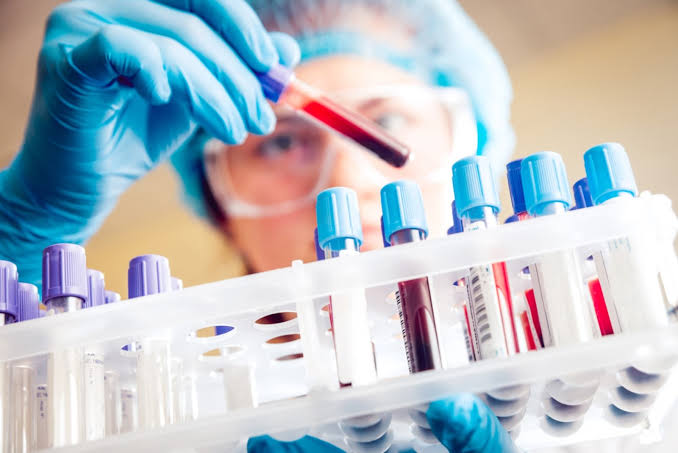
Testing against these criteria early in product development, ideally with real samples in your own workflow, can help identify the right material faster and reduce costly rework later.
New Sample Kits for Diagnostic Workflow Development
To support material evaluation during diagnostic workflow development, Porex has expanded its portfolio of free Sample Kits available for testing. Read below to learn more!
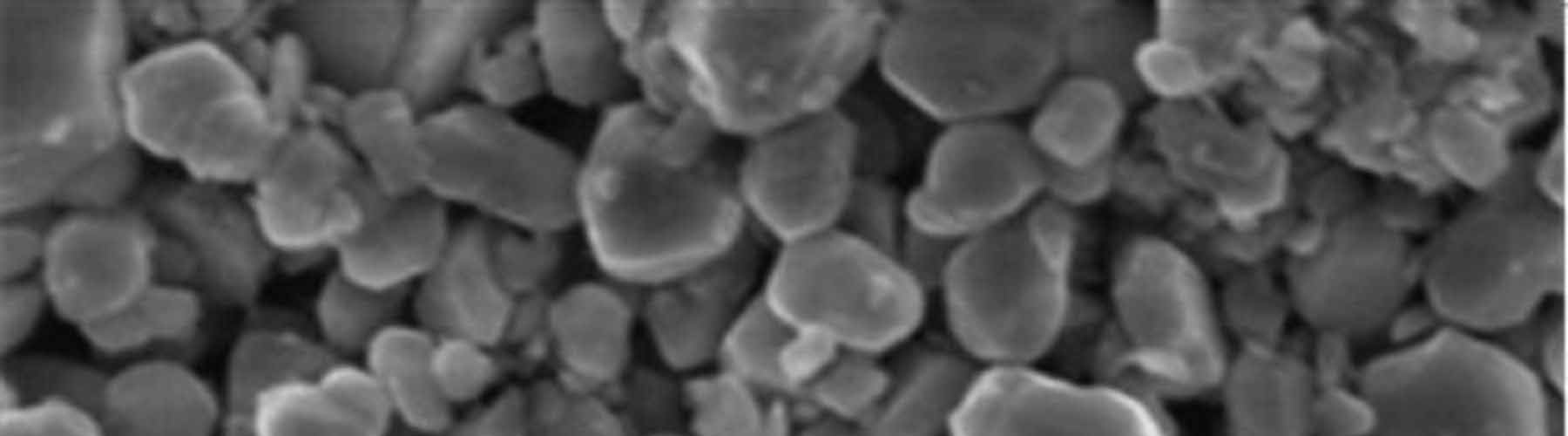
PCR inhibition remains a major challenge in molecular diagnostics. This kit includes a selection of sintered particle filters that can be used to remove PCR inhibitors from complex samples including sputum, stool, and blood.
Vaginal Self-Collection Device
The Oasis Diagnostics® Fem•Collect vaginal self-collection device was created to support the growing demand for patient-centric diagnostics. Fem•Collect devices use Porex high-release media for vaginal sample collection, resulting in highly pure samples for downstream HPV molecular diagnostics. View our recent webinar with Oasis Diagnostics® Founder Dr. Paul Slowey or read this blog post for more details.
Direct-to-PCR Sample Transfer Device
The GoCollect® Sampler was designed and developed by ReadyGo™ Diagnostics to simplify and standardize biological sample collection, processing, and transfer. The sampler tip incorporates a Porex high-release fiber matrix that enables consistent volume uptake and release across complex sample types including blood, saliva, stool, and sputum.
Note that the prototype available from our Request a Sample uses a blue-dyed saline solution for visualization. For more information, download the Instructions for Use.
This kit provides a selection of hydrophilic fiber cylinders that can be used for urine collection. This advanced fiber media is optimized for specimen collection and designed to support improved clinical testing.
Materials that Enable Better Diagnostics
Every diagnostic workflow presents a unique combination of sample types, performance requirements, regulatory considerations, and user needs. That’s why selecting the right materials can help reduce optimization time and improve overall assay performance.
But successful integration requires more than simply choosing a material off the shelf. Diagnostic developers need materials that work within the requirements of their existing assay, device architecture, and workflow.
At Porex, we collaborate with developers to tailor porous material solutions around the needs of the application — not the other way around. By optimizing characteristics such as geometry, pore structure, airflow, absorption, and release properties, we deliver materials that integrate seamlessly into diagnostic workflows across molecular assays, point-of-care tests, and next-generation sample preparation systems. We also work with companies to ensure that our solutions are scalable for their manufacturing pipelines, and that quality is maintained with increased demand.
Interested in evaluating materials for your workflow? Explore our free Sample Kits or connect with our team to discuss your application requirements.