Parker Hannifin has completed its acquisition of Filtration Group Corporation, creating a powerful offering of highly engineered filtration technologies, application-critical expertise and aftermarket presence to better serve customers around the world. Learn more

Automotive – Lighting & Electronic venting

EV Battery Vents

PTFE Material and Track-Etched Membrane Technologies Designed Specifically for EV Batteries

PTFE Material and Track-Etched Membrane Technologies Designed Specifically for EV Batteries

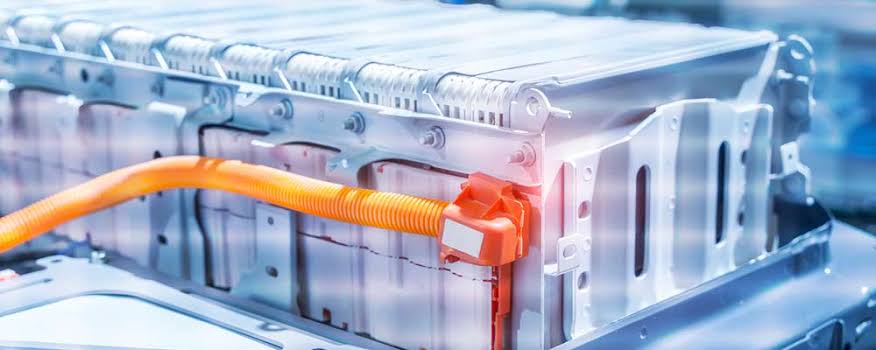
As the demand for EVs continues to rise, ensuring their safety and reliability is paramount. At Porex, we provide cutting-edge battery vents to renowned companies worldwide, built on two proven venting technologies: track-etched membrane and sintered PTFE. Our vents enable proper pressure equalization and rapid gas release in case of failure, while effectively preventing dust and moisture infiltration into the battery.

With our expertise in material science, Porex offers customizable porous polymer solutions for various automotive venting needs, including sintered PTFE and track-etched membrane technologies. Our engineers can tailor a solution specific to your device, leveraging a range of materials, chemical compositions, geometries, assembly techniques, and additives. Experience the benefits of POREX Virtek™ PTFE and Unique-Mem® track-etched membrane EV battery vents for enhanced pressure equalization and ventilation.

Battery and Fuel Cell

Electric Vehicle Battery Burst Vent

Protect your EV battery packs with high-performance Porex Virtek PTFE dual-stage safety vents without needing burst pins. Our fully assembled vents give you a fast-release solution for thermal runaway and off-gassing that allows for both passive air venting and burst action in one component.

  • Robust structure does not damage easily like expanded PTFE material
  • No change in airflow when handled
  • IP rated for extreme thermal cycling
  • Easy, flexible assembly – attach via ultrasonic, heat welding, overmolding, or a variety of other techniques
  • Fully assembled
  • Can be designed to act as a breather and safety vent
  • 100% PFOA free – Compliant with (EC) 1907/2006 REACH / Regulation (EU) 2019/1021 POP

Porex Virtek® PTFE – Automotive / Oleophobic product range (hydrophobic & oleophobic)

Item Number IP Rating † WEP* mbar
(Typical)
Typical Airflow
l/hr/cm² @70mbar
Filtration Efficiency**
>99.99%
Thickness
mm
Max Operating
Temp °C
Salt Fog$
PMA10‡ 64,67 370 75 0.4 µ 0.18 260 No pen.
PMA15‡ 65,67,68 520 25 0.1 µ 0.25 260 No pen.
PMA20‡ 65,66,67,68 1050 7 0.1 µ 0.19 260 No pen
† IEC std. 60529; IP 68 is a user defined and results must be verified by the user
*WEP = Water Entry Pressure
** According to IEST RP-CC007.2 2009
$ASTM B117-11 test method
***Laminated polyolefin mesh backing
‡ Oleophobic, AATCC TM 118 – Grade 8
Moisture Vapor Transmission Rate approx. 900g/m2/day. ASTM E96-16 water escaped from sealed cup @ 23±2°C, 50±10%rH chamber.
Properties are typical and not meant for specifications. Selected options and adhesives may affect properties
RoHS, WEEE, REACH Compliant (PFOA Free)

Options for Customizing Sintered PTFE EV Battery Vents

Physical properties

When incorporating a sintered PTFE membrane into your product, it’s critical to understand the physical properties impacting the materials and functionality of the part including:

Understanding typical material properties will guide you in selecting the right polymer for your device’s function and operating conditions.  The above characteristics can be highlighted or downplayed based on your specific product needs.  Below is a chart that shows the common materials with their physical properties; however, this is not an exhaustive list.

  • Air flow rate: the volume of air being delivered at a given pressure drop through a specific area. This is a critical measure for designing a venting membrane. One important thing to note – air flow rate will increase through the same vent as the pressure drop increases.
  • Water entry pressure (WEP): the amount of water pressure required to have water break through the membrane. This is a critical measure when designing a water-resistant venting or filtering membrane.
  • Operating temperature: the temperature range at which the part will be required to operate. For Porex Virtek PTFE membrane, this value is 260°C / 500°F continuous.
  • Other key characteristics: Porex Virtek PTFE membrane is an extremely versatile material that is used in numerous markets and applications. Other application-specific characteristics that may be required for your application can include filtration efficiency, moisture vapor transmission rate, Gurley number, % reflectivity, and dielectric properties.

Chemical properties

Porex Virtek PTFE waterproof membrane is one of the most chemically resistant materials available in the market. There are only a handful of fluorinated acids that are not chemically compatible with sintered PTFE membranes, so it is always your safest choice if unknown chemicals may be in contact with the component.

Chemicals

PTFE

Acids (non oxidizing)

Good

Bases

Good

Oil

Good

Aromatic Solvents

Good

Non-Polar Alphatic
Solvent

Good

Polar-Aprotic Solvents

Good

Polar-Protic Solvents

Good

Halogenated Solvent

Good

Oxidizing Agents

Good

Material options

Polytetrafluoroethylene (PTFE)
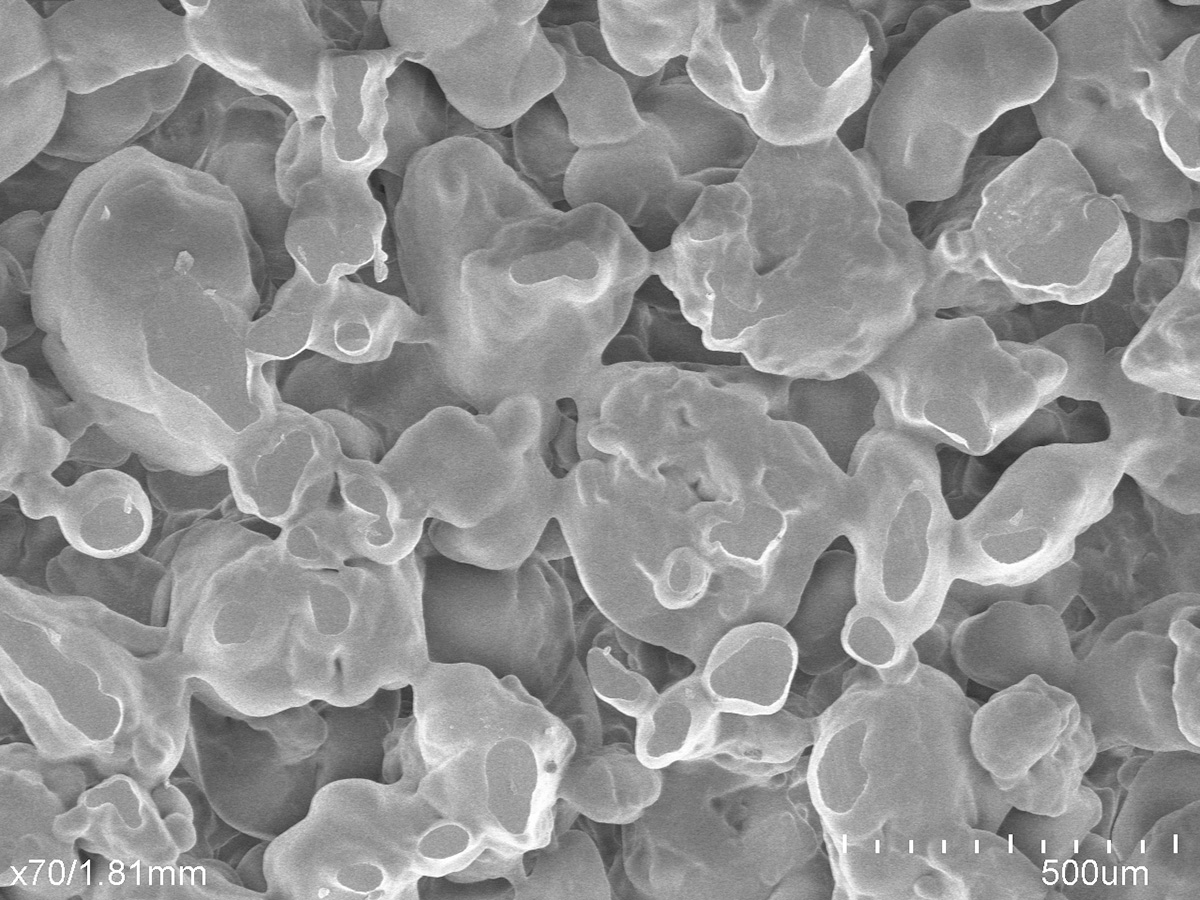
For applications in need of ultra-hydrophobicity, high-temperature tolerances, high chemical resistance, and excellent robustness, sintered and skived PTFE membrane technology is a perfect choice.

Using our wide range of customizable solutions, we work closely with your engineering team to define your specifications and select the best PTFE membrane for your application.

Additive options

Below are some common additives and treatments that expand the potential functionality of your PTFE membrane:

  • Oleophobic treatment
  • Polypropylene scrim support layer
  • Adhesive backing
  • Screen Printing

Geometric options

Porex Virtek PTFE membrane material begins as a 330 mm wide format (between 0.1 and 3.0 mm thick) and can be cut into porous PTFE sheets and other format options such as:

  • Slit rolls (8 – 330 mm)
  • Die-cut discs and various shapes
  • Rotary-cut plugs and discs
  • Cut discs “in web”
  • Water jet cut shapes
  • Zoned adhesive disc and other shapes
  • Rods & molded or spiral tubes
  • Thermoformed shapes
  • Porous PTFE sheets

Our engineers can work with you to better understand your manufacturing process and determine which size, shape, and dimensions are the best fit for your application.

Assembly & converting options

Customizable assembly and converting options for sintered PTFE are endless. Some of the more common methodologies include:

  • Thermal & ultrasonic welding
  • Overmolding
  • Die-cutting
  • Press fit
  • Pressure-sensitive adhesive (PSA)

To potentially decrease your assembly time and complexity, our engineers can work with you to better understand how your final product or device will be made. In many cases, we can combine multiple parts into one that is custom engineered.

If you require secondary processing of sheet and film products to meet your product design challenges, Porex also offers a Preferred Converter Program that can serve smaller order quantities.

Unique-Mem® for Optimal Venting & Degassing of EV Batteries

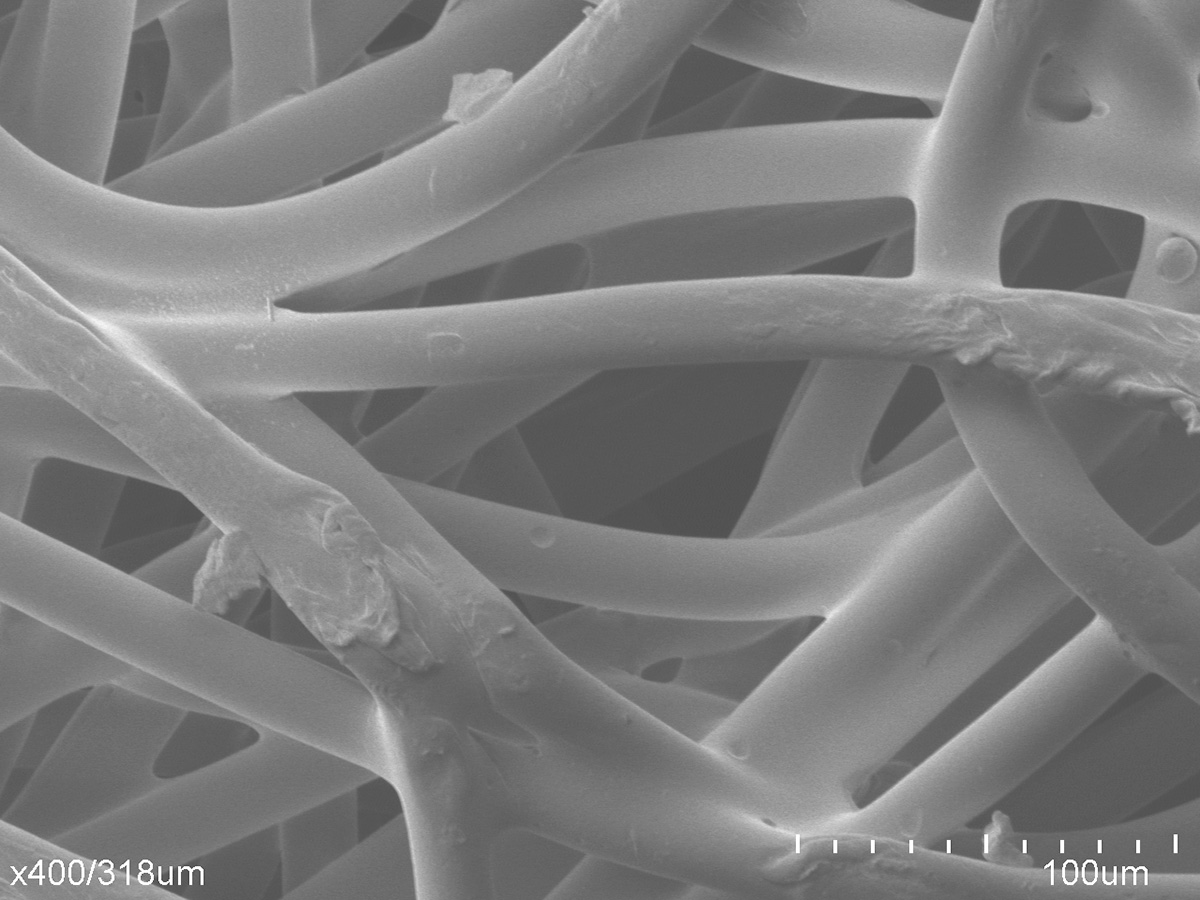
Our innovative Unique-Mem® track-etched membranes offer reliable outgassing and protection from the ingress of liquid, dust, dirt, and other contaminants. In the event of abnormal operations, this novel membrane technology will burst at a predefined overpressure rate to ensure spontaneous high-volume gas release from the battery compartment. This game-changing solution not only protects the battery modules but can, more importantly, ensure the safety of electric vehicle users.

Key Benefits

  • High precision breathing and/or bursting for emergency degassing & pressure compensation in the event of thermal runaways
  • Battery housing protection against intrusion of liquids, dust and dirt (IP67 class)
  • Membrane can be bonded directly to the insert via ultrasonic welding, laser welding or insert-molding
  • 100% Free of PFOA: Compliant with (EC) 1907/2006 REACH / Regulation (EU) 2019/1021 POP

Physical properties

When incorporating a track-etched membrane into your product, it’s critical to understand the physical properties impacting the materials and functionality of the part including:

  • Air flow rate: the volume of air being delivered at a given pressure drop through a specific area. This is a critical measure for designing a venting membrane. One important thing to note – air flow rate will increase through the same vent as the pressure drop increases.
  • Pore Size: the size of the voids in a porous media. Depending on the technology and material selected, pore sizes can range from 0.1μm to 10μm.
  • Pore Density: the degree of compactness of the pores. Depending on the technology and material selected, pore density can range from 0.01M to 1,000M pores per cm2.
  • Operating temperature: the temperature range at which the part will be required to operate.

Chemical properties

Choosing the right polymer is important to ensure lasting functionality in your device. Below is a chemical compatibility comparison of PET material and sintered particles:


Chemicals PET
Acids (non oxidizing) Fair
Bases Poor
Oil Good
Aromatic solvents Good
Non-polar aliphatic solvent Good
Polar-aprotic solvents Good
Polar-Protic solvents Good
Halogenated solvent Good
Oxidizing agents Fair

Specification Unique-Mem® Track-Etched Membranes RoTrac® Track-Etched Membranes
Bandwidth (mm)
10, 13, 14.5, 20 & custom sizes
High Quality Raw Materials
PET – naturally slightly hydrophilic
PC – naturally slightly hydrophobic
PET-Membrane/ PET-Nonwoven –harder
PET-Membrane/ PP-Nonwoven – softer
Pore Size Ranges
0.1µm to 10µm
0.2µm to 3.0µm
Pore Density Ranges
105 to 109 pores per cm2
2×10⁶ bis 3×10⁸ pores per cm2
Thickness Ranges
8µm to 50µm
90µm to 220µm
Temperature Ranges
– 40°C and 160°C (for special application < 200°C)
– 40°C and 130°C (for special application < 160°C)
Air Flow Ranges
Up to 800 l / (bar cm2 min)
Up to 37 l / (bar cm2 min)
Hydrophilic Treatments
Various hydrophilic treatments increase water flow rate and wetting abilities of the membrane (example: PVP treatment)
Hydrophobic / Oleophobic Treatment:
Grade up to 7.5; AATCC TM 118
Salt spray resistance test2
According to IEC 60068-2-52, based on validation by the customer
Temperature resistance test1
In accordance with ISO 16750-4
Ice water shock test1&2
In accordance with ISO 16750-4
Climate resistance test
In accordance with ISO 16750-4
Chemical resistance test1
According LV124/ ISO 16750-5
IP Protection1
IP 64/65/66/67/68, according to DIN 40050

1 Testing in Progress

2 Based on Customer Validation

Material Options

  • PET Track-Etched Membranes unlaminated​​
  • PET Track-Etched Membranes laminated with PET/ PP non-woven material​
  • Additional membrane materials available upon request​​


Additive options

Below are some common additives and treatments that expand the potential functionality of your TEM solution when using PET material:

  • Hydrophobic treatment
  • Hydrophilic treatment
  • Bactericidal / bacterial static
  • Oleophobic treatment
  • Laminated support structure

For TEM solutions using PC material, hydrophilic treatment is available.

Geometric options

Our track-etched membranes are available in many different geometric options, including:

  • Rollstock
  • Pre-punched discs (OxyDisc)
  • Self-adhesive pads (OxyPad)
  • Pressure compensation units (OxySeal)
  • Custom assemblies and modules

Our engineers can work with you to better understand your manufacturing process and determine which size, shape, and dimensions are the best fit for your application. We can even create custom assemblies and modules if needed.


Some of the more common methodologies for PET TEM include:

  • Thermal, ultrasonic and laser welding
  • Over-molding
  • Die-cutting
  • Pressure-sensitive adhesive (PSA)

To potentially decrease your assembly time and complexity, our engineers can work with you to better understand how your final product or device will be made. In many cases, we can combine multiple parts into one that is custom engineered.

Highlighted Case Study

EV Battery Safety Vents

A manufacturer of electric vehicle (EV) lithium batteries reached out to us to develop and design a hydrophobic membrane that would meet their specifications as it relates to temperature stability, air flow, water entry pressure, and constant and reliable expansion properties.

Porex Virtek® IP-Rated Protection Vents Brochure

Explore the portfolio of robust Porex Virtek® IP-Rated Protection Vents for electronics and automotive applications.

Oxyphen EV Battery Safety Vents Application Brochure

Learn more about Oxyphen’s hydrophobic all-in-one solution that protects critical internal components from the ingress of liquid, dust, dirt, and other contaminants while also having the ability to burst at predefined overpressures to prevent potential explosions from taking place in the event of thermal runaway.

IP-Rated Vents for Automotive Applications Brochure

Discover the capabilities of POREX® IP-rated PTFE vents specifically designed for automotive applications, enabling rapid pressure equalization and ensuring effective protection.

EV Venting Membranes Brochure

See why OEMs rely on Porex Virtek when it comes to automotive venting applications with PTFE hydrophobic and oleophobic membranes.